A boiler check is important, but it is only one part of a healthy central heating system. If the boiler is working but heat is moving poorly, controls are inaccurate or radiators are cold in patches, the system is still not doing its job properly.
A full central heating service looks at how the whole system works together. It helps homeowners understand performance, safety, efficiency and reliability, not just whether the appliance turns on.
Why the whole system matters
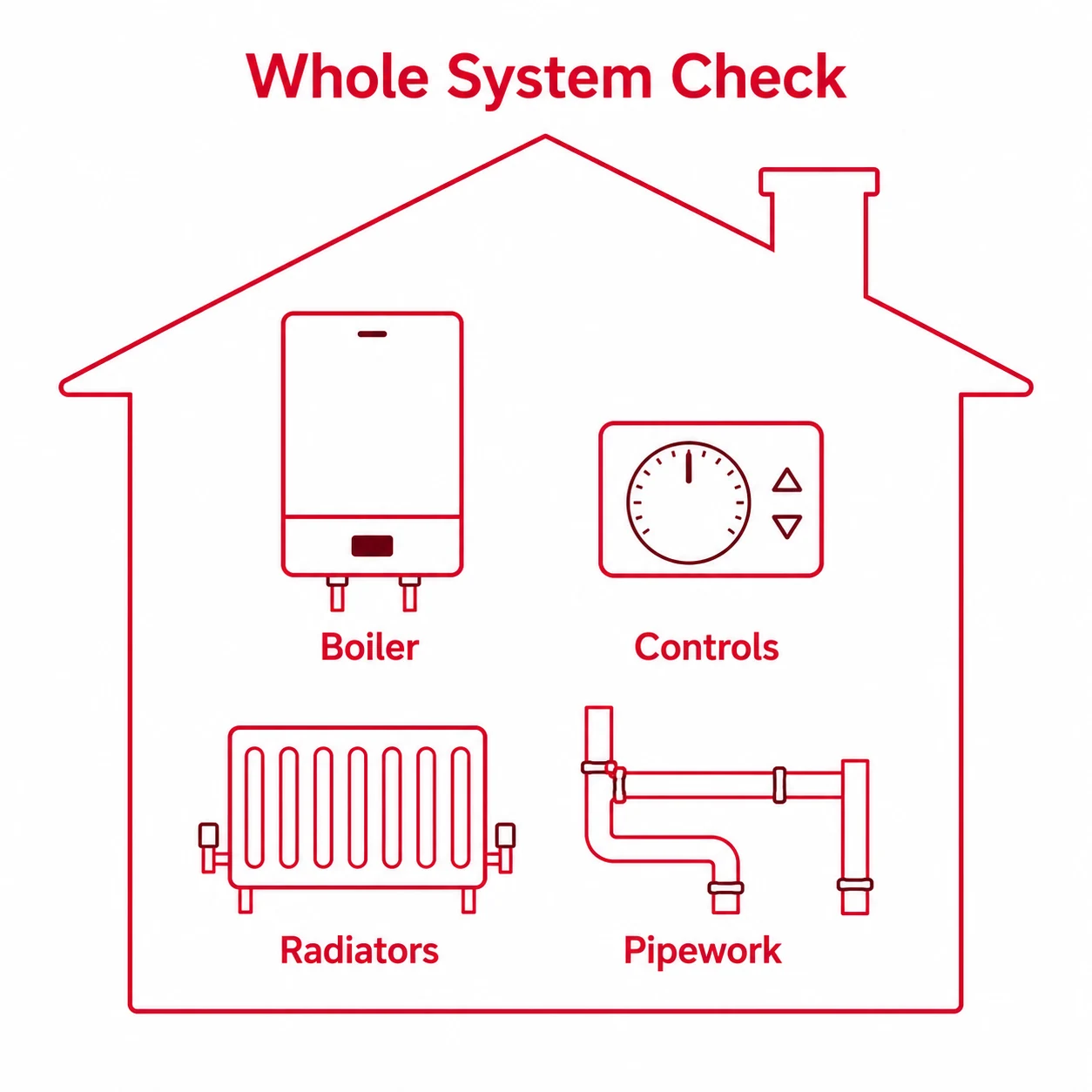
Central heating is a connected system. The boiler creates heat, but pumps, valves, pipework, radiators, cylinders, thermostats and controls all influence how that heat reaches the rooms. A fault in one area can make another part look worse than it is.
For example, a boiler may be blamed for poor heating when the real issue is sludge in radiators, trapped air, a sticking valve or an incorrect control setting. A full service gives a clearer picture because it checks both the heat source and the way heat is distributed.
This is why a professional heating systems service should be more than a quick look at the boiler casing. It should consider the condition, behaviour and balance of the complete installation.
The aim is simple. The engineer should confirm that the system is safe, identify signs of wear, spot developing problems and help the heating work as smoothly as possible for the home.
Boiler condition and safety checks
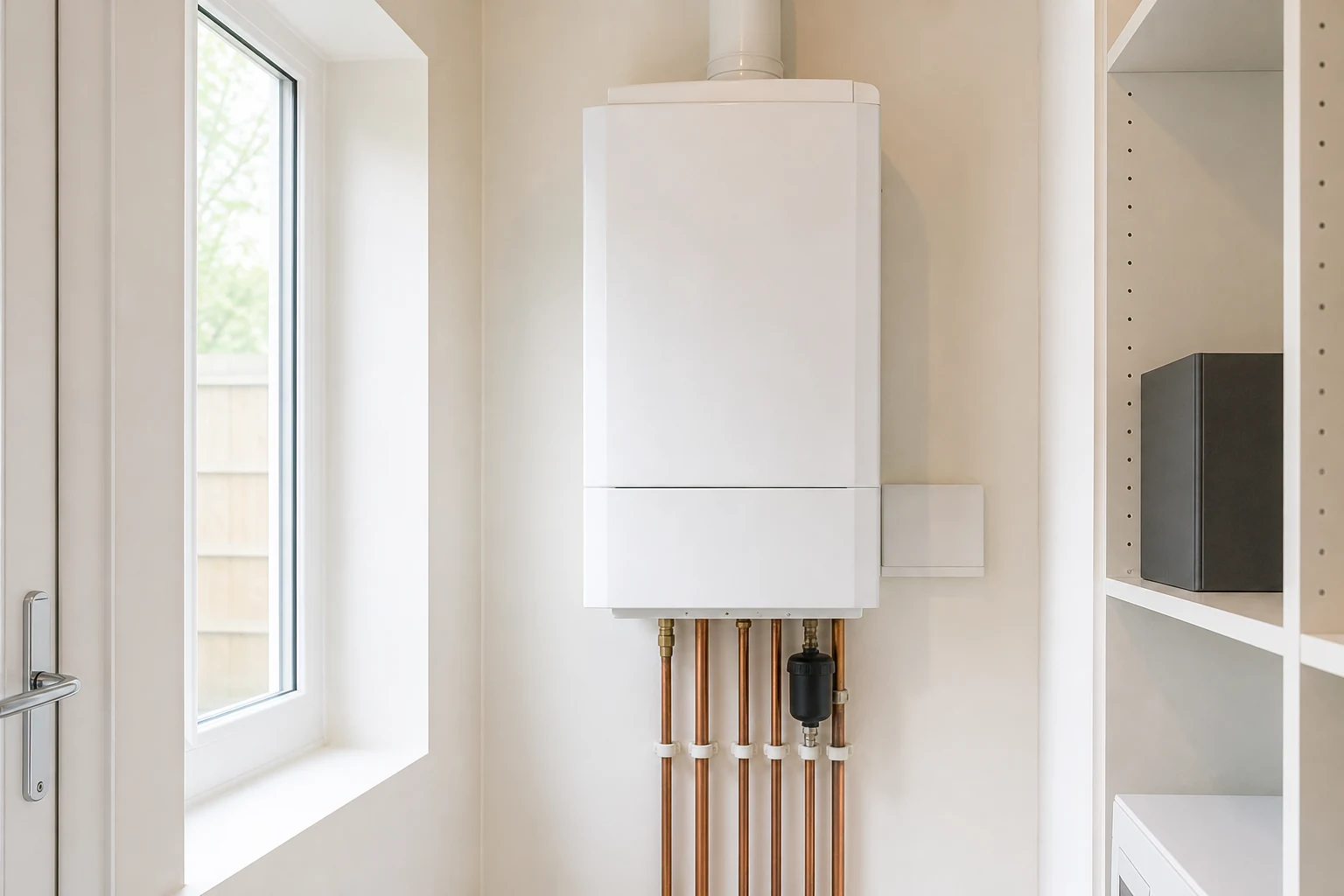
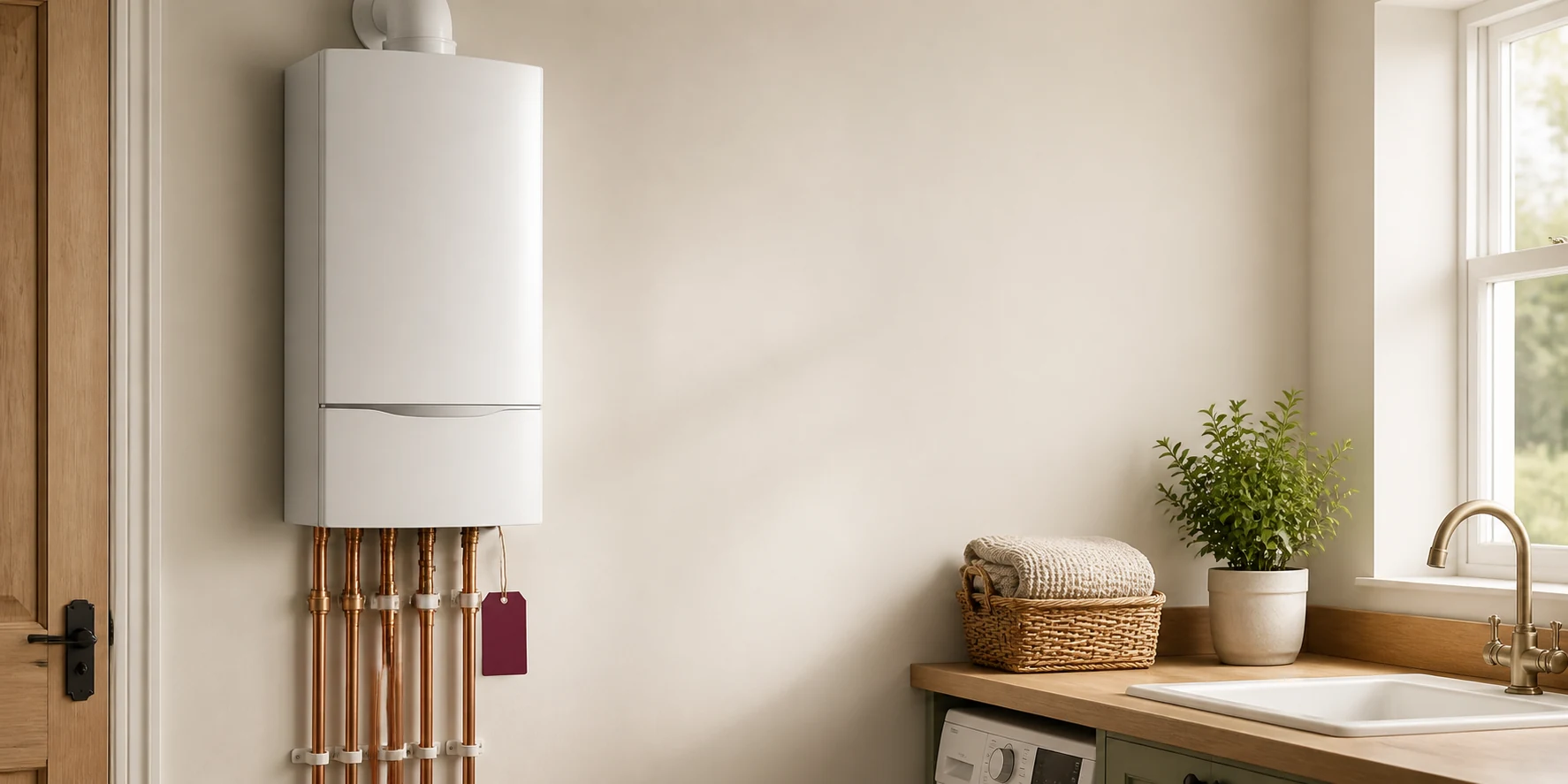
The boiler is still the natural starting point. A proper service should include checks on the boiler condition, visible pipework, seals, joints, flue route, ventilation requirements and the general state of the appliance.
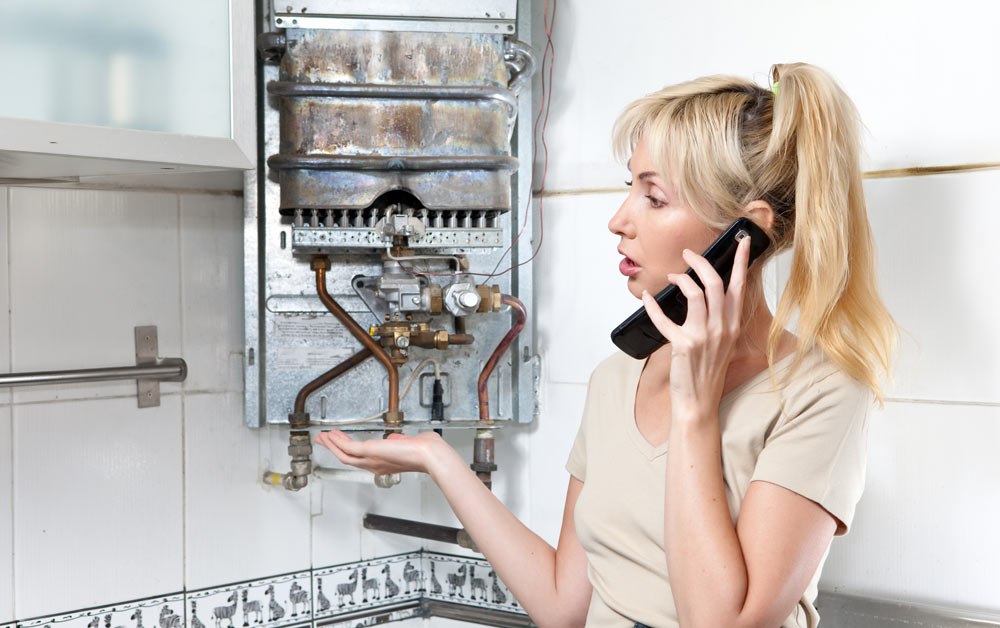
For combustion appliances, the engineer should check that the appliance is burning correctly and that products of combustion are being removed safely through the flue. They should also look for signs of corrosion, leaks, staining, damaged insulation, poor access or anything that may affect safe operation.
Where oil appliances are involved, the checks are more specific to that type of equipment. Filters, burner condition, oil line components and combustion performance all need careful attention. If your home uses oil heating, dedicated oil boiler servicing is important because the appliance has different maintenance needs from a gas or electric system.
A good engineer will not just tick boxes. They will explain anything that needs monitoring, what should be repaired now and what may simply need attention at a later visit. That advice is often one of the most valuable parts of the service.
Circulation, pumps and water quality
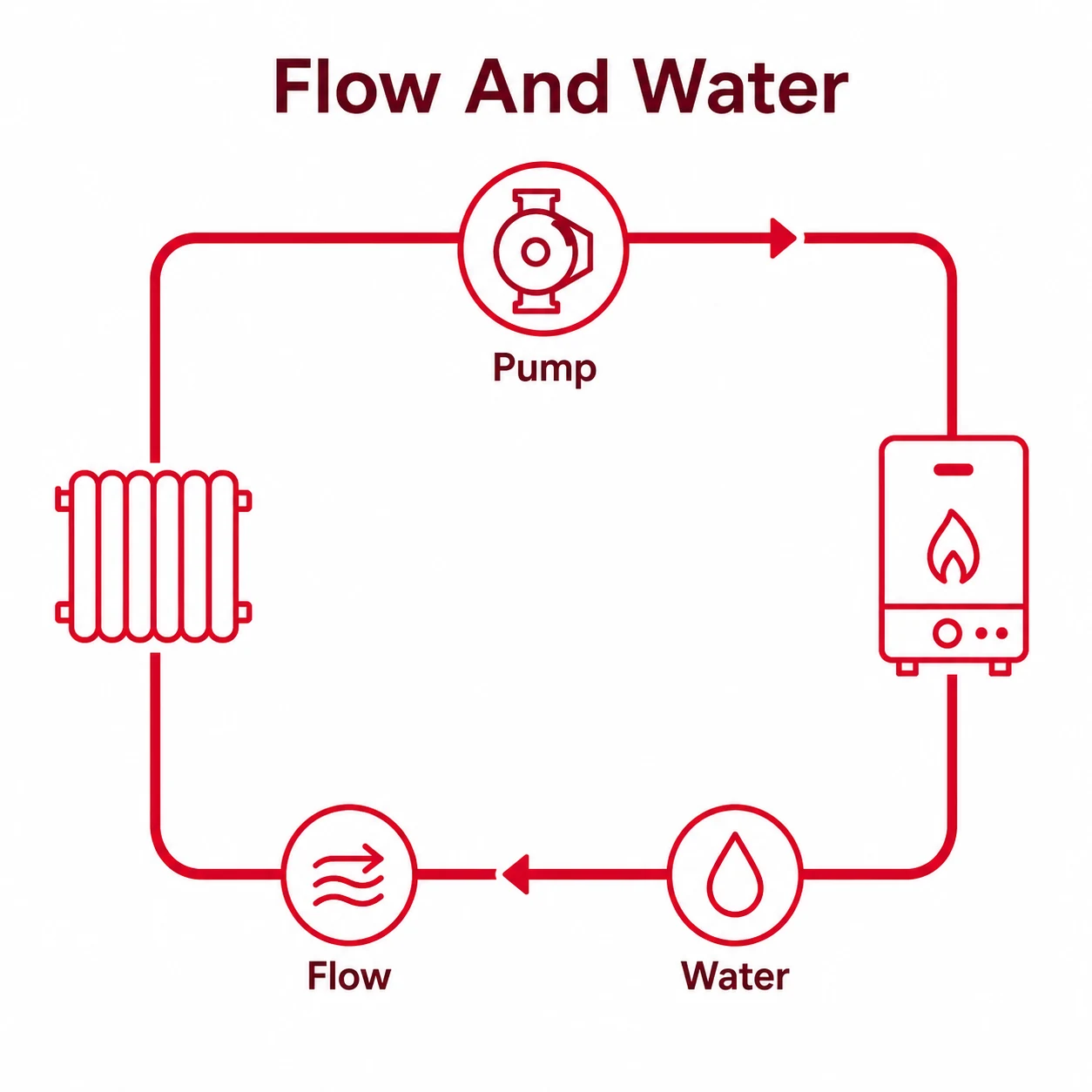
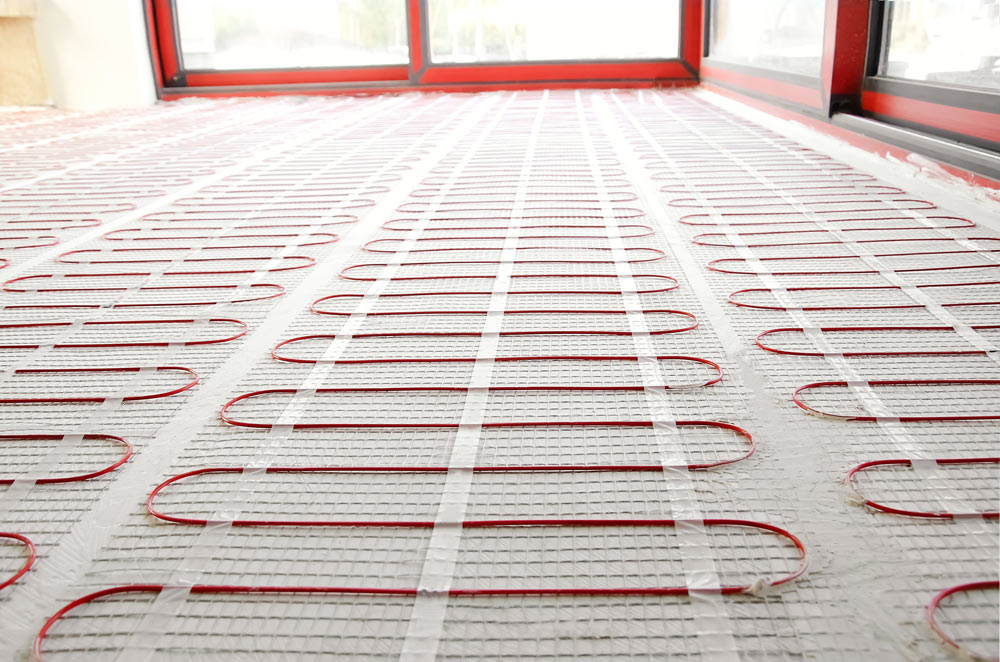
Good heating depends on good circulation. Hot water needs to move freely from the boiler to the radiators or underfloor loops, then return at the right temperature. If circulation is poor, the boiler can work harder while rooms still feel underheated.
During a full service, the engineer should check the pump operation, listen for unusual noise, look for signs of restriction and assess whether heat is moving evenly through the system. They may also check pressure, expansion vessel performance and whether the system is losing water.
Water quality is another key area. Over time, heating systems can collect magnetite, sludge and debris. This can settle in radiators, block narrow waterways, strain pumps and reduce heat transfer. Symptoms can include cold spots on radiators, noisy operation, slow warm up times and repeated bleeding.
If the system shows signs of contamination, the engineer may recommend cleaning, inhibitor treatment or further investigation. In some cases, a power flush for your central heating system may be suitable, especially where circulation issues are linked to sludge or debris.
The goal is not to recommend unnecessary work. It is to understand whether the water inside the system is helping the heating perform or quietly working against it.
Controls, programmers and heating behaviour
Controls are often overlooked, yet they have a major effect on comfort and energy use. A full central heating service should include a look at the programmer, room thermostat, cylinder thermostat where fitted, motorised valves, thermostatic radiator valves and any zoning controls.
The engineer should check that controls respond correctly and that the system follows the settings the homeowner expects. If heating comes on at odd times, rooms overshoot the target temperature or hot water behaves unpredictably, the issue may sit with controls rather than the boiler itself.
Older controls can also limit what a system can do. A boiler may be capable of efficient operation, but poor control can lead to unnecessary running, uneven comfort and confusion for the household. Sometimes a simple adjustment, replacement thermostat or clearer explanation of settings makes a noticeable difference.
A professional service should also consider how the home is actually used. Heating needs are different for households that are occupied all day, homes with extensions, properties with underfloor heating and homes where only some rooms are heated regularly.
Radiators, valves and pipework
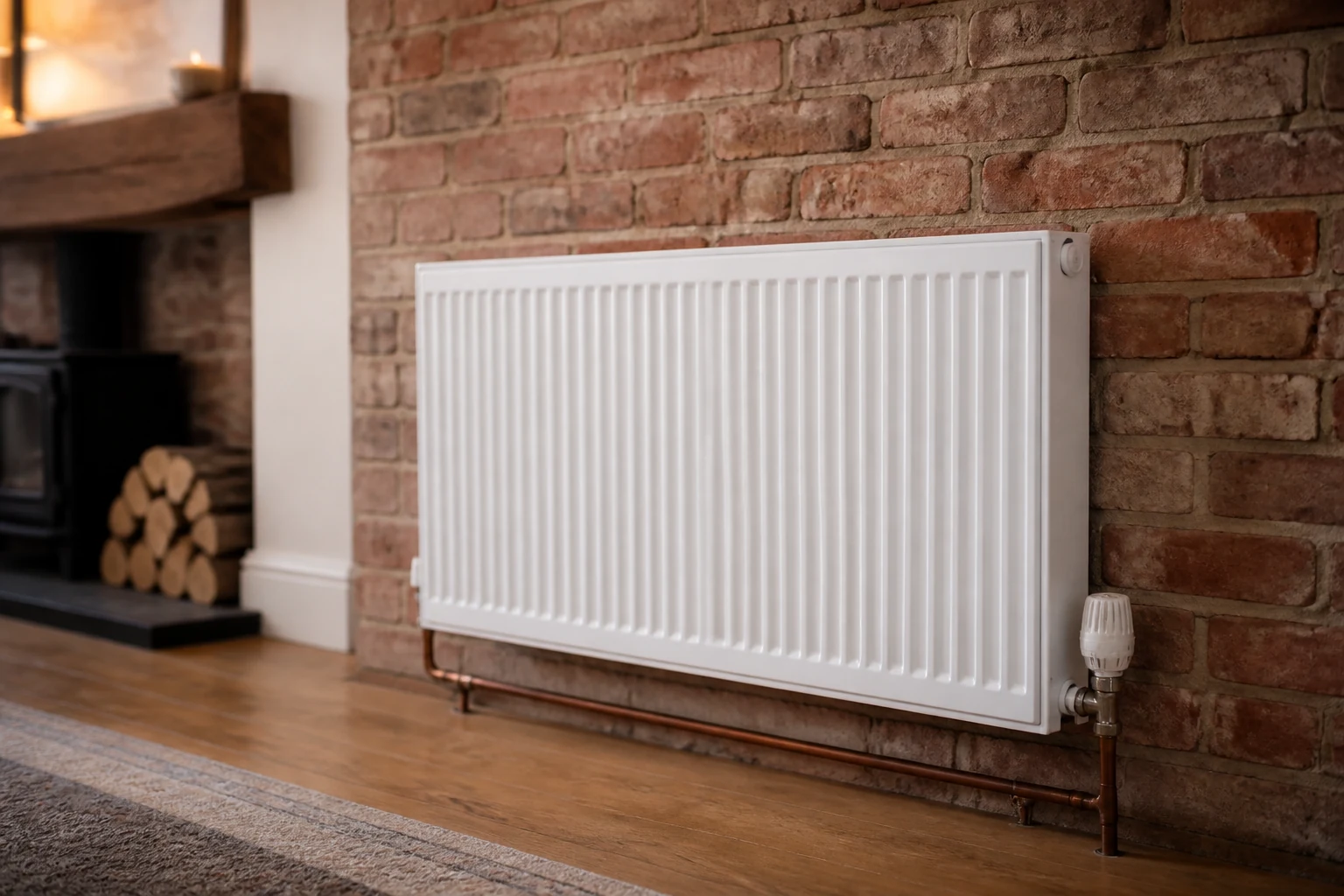
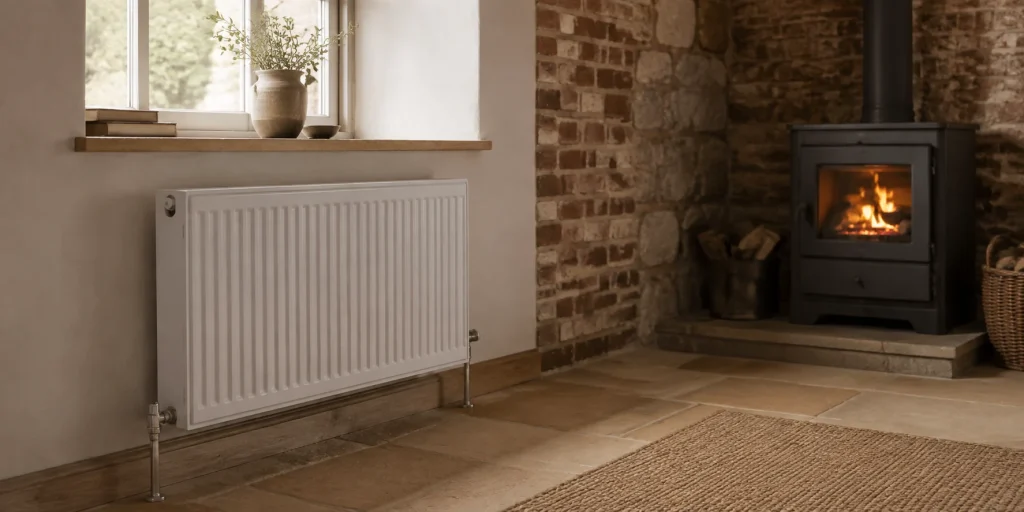
Radiators provide some of the clearest clues about the health of the system. A full service should include checking whether radiators heat evenly, whether valves move correctly, whether air is collecting and whether any leaks or corrosion are visible.
Cold tops usually point towards trapped air. Cold lower sections can suggest sludge. A radiator that stays cool while others heat properly may have a valve issue, a balancing problem or a restriction in the pipework. These are useful signs because they help the engineer narrow down what is happening inside the system.
Pipework should also be inspected where visible. The engineer may look for weeping joints, unsupported pipes, corrosion, poor insulation and signs that previous alterations have affected flow. Even small leaks or pressure drops can become more disruptive if ignored.
Balancing can be part of the conversation too. If one area of the home heats quickly while another always lags behind, the system may need adjustment so hot water is shared more evenly. This can improve comfort without changing the boiler.
When servicing becomes repair or replacement advice
A full service is not only about what is working today. It should help you plan sensibly. If the engineer finds worn parts, repeated faults, corrosion, poor performance or an appliance nearing the end of its useful life, they should explain the options clearly.
That does not always mean replacement. Many systems can be improved through maintenance, cleaning, new valves, better controls or targeted repairs. The value of a proper inspection is that decisions are based on evidence from the system, not guesswork.
There are times, however, when replacement becomes worth discussing. If repairs are becoming frequent, parts are difficult to source or the boiler is no longer suited to the home, a planned boiler installation may be more practical than waiting for a sudden failure.
The best service visits leave you with a clear understanding of your heating system. You should know what is healthy, what needs attention and what can simply be watched over time.
- A full central heating service checks the boiler and the wider system that moves heat around the home.
- Circulation, water quality, controls, radiators and pipework can all affect comfort and reliability.
- Cold radiators, noisy operation and slow warm up times can point to issues beyond the boiler itself.
- Professional servicing helps identify small problems early and gives homeowners clearer repair or upgrade advice.
Frequently asked questions
Is a central heating service the same as a boiler service?
Not quite. A boiler service focuses mainly on the appliance, while a central heating service also considers circulation, controls, radiators, valves, pipework and overall heating performance.
How do I know if my heating system needs more than a basic check?
Common signs include uneven heating, cold radiator spots, frequent pressure loss, noisy pipework, slow warm up times, unreliable controls or repeated small faults.
Should radiators be checked during a heating service?
Yes. Radiators can reveal trapped air, sludge, balancing problems, faulty valves and flow issues. They are an important part of understanding how well the system is working.
Can servicing improve heating efficiency?
It can help. Servicing identifies problems that make the system work harder than necessary, such as poor circulation, incorrect settings, sludge, worn parts or controls that are not operating properly.
Book a fuller heating system check
If your heating is not performing as it should, Multi Fuel Cooking can inspect the wider system and explain the best next steps in clear, practical terms.