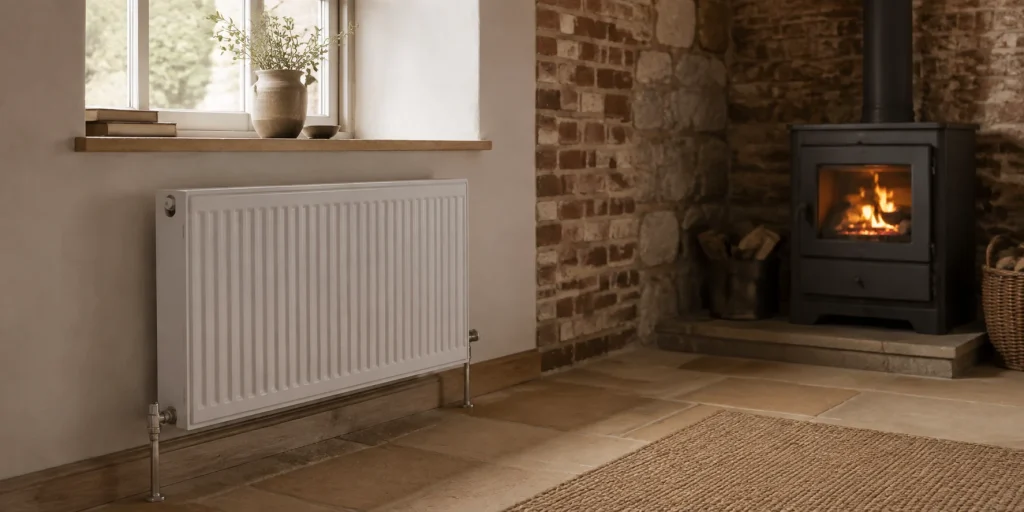
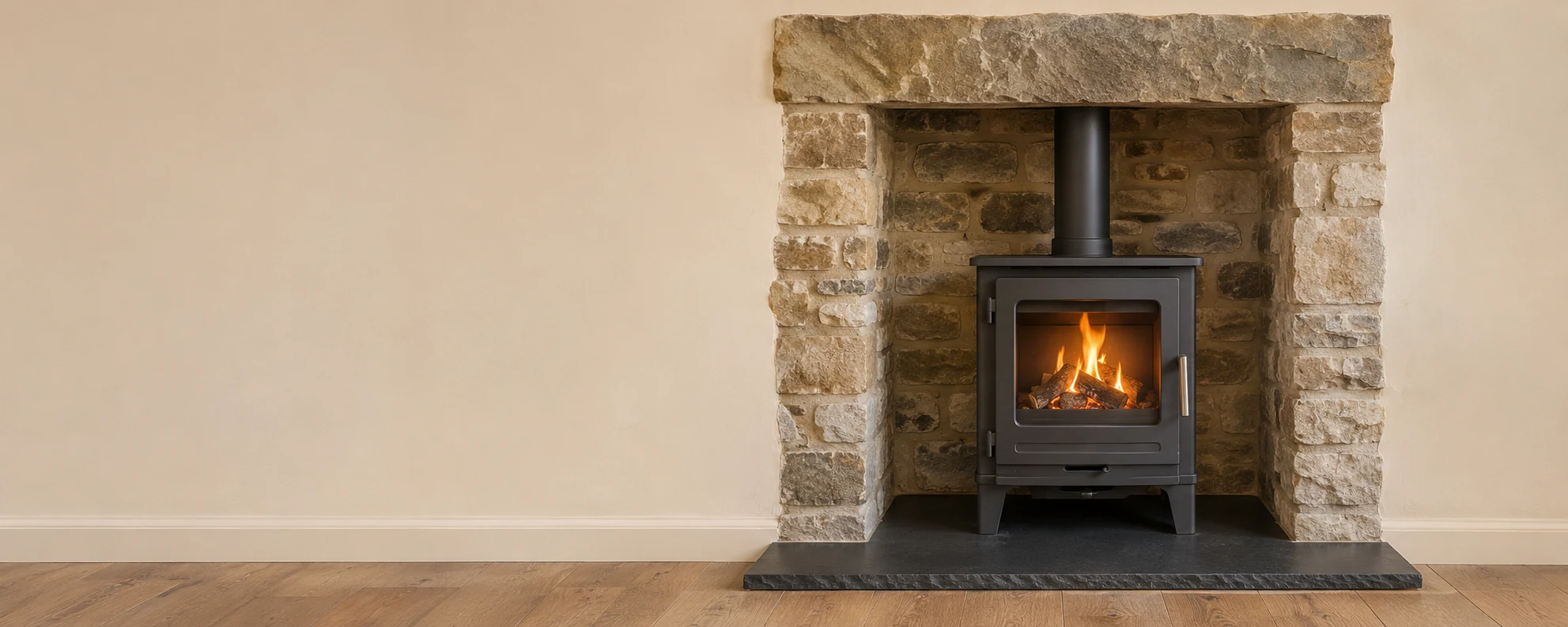
A stove that struggles to get going, burns sluggishly or releases smoke into the room needs attention. The cause is not always the stove itself. The chimney, air supply and fuel all influence how reliably the fire burns.
A suitable flue liner can make an important difference by giving combustion gases a continuous, correctly sized route outside. Understanding how it works helps you recognise when lining may improve performance and when another part of the installation needs checking.
What creates stove draught?
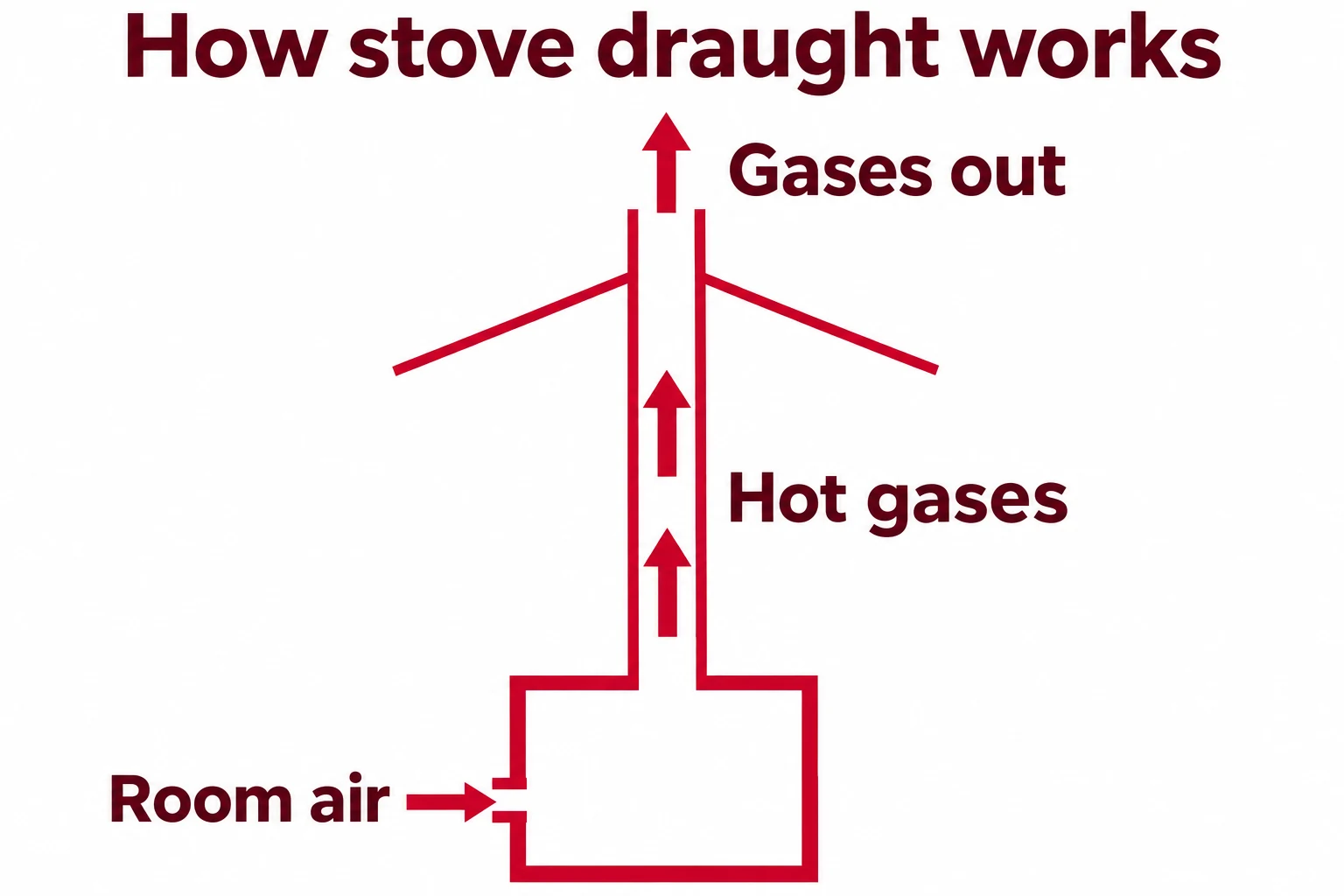
Stove draught is the movement of combustion gases up the flue, which helps draw fresh air into the fire. Hot gases are less dense than the cooler air outside. As they rise, they create the pressure difference that keeps air moving through the appliance.
That movement depends on more than having an open chimney. Flue height, diameter, temperature and the number of bends all affect the available draught. The position of the chimney terminal and nearby obstructions can also influence performance in windy weather.
A large, cold masonry chimney can allow gases from a modern stove to cool too quickly. An unsuitable or damaged flue may also disrupt the route those gases need to follow.
The aim is not simply to produce the strongest possible draw. Excessive draught can make a stove burn too fiercely and waste fuel. A good installation provides draught within the appliance manufacturer’s requirements, with enough combustion air available in the room.
How a suitable liner helps the chimney work
A flue liner forms the internal passage carrying combustion gases through the chimney. When correctly specified and fitted, it provides a continuous route matched to the stove rather than leaving the appliance connected to an unsuitable chimney void.
This can help in several ways:
- More suitable sizing: an appropriately sized passage helps gases move without the excessive cooling that can occur in an oversized chimney.
- Better temperature retention: a suitable liner arrangement, with insulation where specified, helps gases stay warm as they rise.
- A sound exhaust route: correctly made connections and an intact liner help keep combustion products within the intended passage.
Keeping flue gases warmer can also reduce conditions that encourage condensation and tar deposits. It does not eliminate deposits or replace regular sweeping, suitable fuel and correct operation.
Our flue lining service starts with assessing the chimney and appliance together. A liner can improve a suitable installation, but it cannot compensate for every problem with chimney height, terminal position or ventilation.
Choosing the right diameter and liner specification
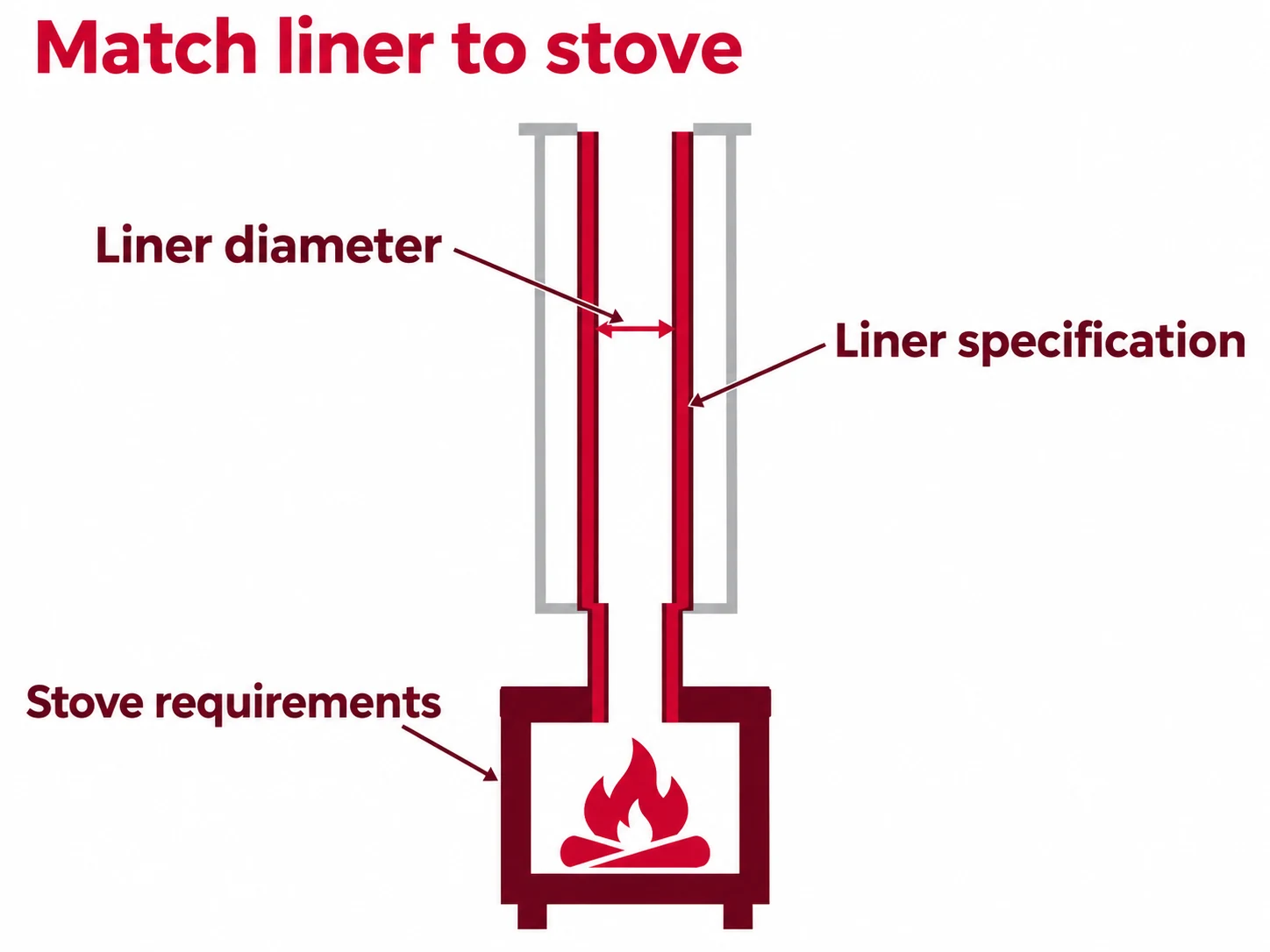
The correct liner is chosen from the stove manufacturer’s instructions, applicable building requirements and the condition of the existing chimney. Diameter should not be selected simply because a particular liner is easier to fit.
A passage that is too narrow can restrict exhaust flow. One that is unnecessarily large can allow gases to cool and weaken draught, particularly during lighting. The stove outlet size matters, but it is not the only sizing requirement. Any permitted exception needs to be checked against the appliance approval and relevant requirements.
The liner must also be suitable for the intended appliance, fuel and operating conditions. A product intended for a different heating appliance is not automatically suitable for a solid fuel stove. For a multi fuel appliance, the assessment should include the permitted fuels you plan to burn.
Flexible metal liners have installation requirements covering orientation, connections, support and termination. Insulation should follow the specified system rather than being added on assumption. These details belong within the wider wood burning stove installation assessment, alongside hearth suitability, clearances, ventilation and access for sweeping.
When poor draw needs more than a new liner
Weak draught can have several causes, so replacing a liner without investigating the symptoms may miss the real issue. Tell your installer when the problem occurs: during lighting, throughout the burn, when refuelling or only in certain weather.
- Wet fuel: moisture absorbs heat and can increase smoke and deposits. For logs, use a moisture meter on a freshly split face and follow the stove manufacturer’s fuel guidance.
- Restricted air supply: blocked vents or insufficient ventilation can limit combustion air.
- Extraction fans: kitchen and bathroom extractors can create negative pressure that interferes with the stove.
- Blockages or deposits: soot, debris or nesting material can restrict the flue and require professional attention.
- Chimney layout: unsuitable height, excessive bends or terminal exposure may need separate improvements.
Smoke entering the room is not something to accept as normal. Stop using the stove and arrange an inspection before using it again. If a carbon monoxide alarm sounds, or anyone develops symptoms such as headache, dizziness or nausea, leave the property immediately and contact emergency services. Do not remain inside to investigate.
What a properly finished installation should include
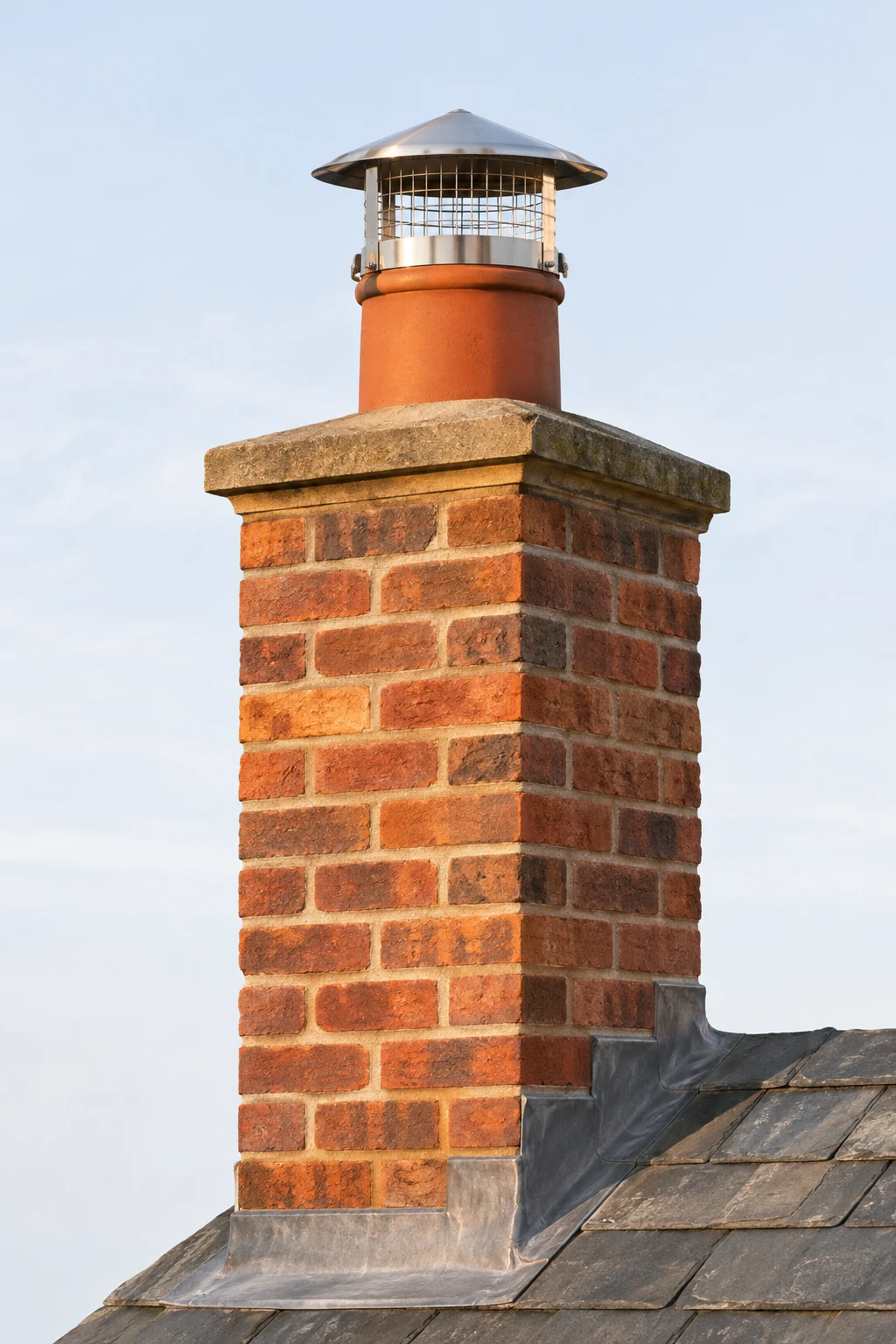
Good lining work begins with checking the chimney’s condition, dimensions and suitability, and arranging sweeping before installation. Where needed, further inspection helps establish whether the route is clear and the surrounding chimney is sound. A liner does not repair structural defects in the chimney itself.
The finished system needs secure connections, appropriate support and a suitable terminal. Any closure around the chimney opening must be properly formed, and the arrangement must allow future inspection and sweeping. The liner should not simply hang from the stove connection.
Commissioning should include the relevant checks for flue integrity, draught and smoke spillage, following the appliance instructions and applicable requirements. Ventilation and the effects of extraction fans also need consideration.
Before handover, you should receive operating advice, relevant installation documentation and guidance on sweeping and maintenance. A correctly positioned carbon monoxide alarm is essential, but does not replace safe installation or servicing.
If you are planning the whole project, our guide to what affects wood burning stove installation costs explains the wider work to consider alongside lining.
- A suitable liner helps combustion gases stay warm and follow a continuous route outside.
- Liner diameter and specification must suit the stove, fuel and chimney.
- Poor draw can also come from ventilation problems, wet fuel, blockages or chimney layout.
- Correct commissioning, regular sweeping and a carbon monoxide alarm remain essential.
Frequently asked questions
Does every stove need a new flue liner?
Not necessarily. An existing flue may be suitable if its condition, dimensions and construction meet the appliance instructions and applicable requirements. An inspection establishes whether it can be used safely or needs lining.
Will a liner stop smoke escaping when I open the stove door?
It may help if the existing flue is contributing to weak draught, but it is not a guaranteed cure. Air supply, blockages, fuel and refuelling technique also matter. Have smoke spillage investigated before using the stove again.
Can I reuse a liner when replacing my stove?
Sometimes, provided its specification, diameter and condition suit the replacement appliance. The installer should check its history and inspect it rather than assume that an existing liner remains suitable.
Does a lined chimney still need sweeping?
Yes. Soot and other deposits can build up inside a liner. Agree an appropriate sweeping schedule with a competent chimney sweep, taking account of your fuel, usage and the appliance manufacturer’s instructions.
Get to the cause of poor stove draught
If your stove is not drawing reliably, Multi Fuel Cooking can assess the chimney, flue and installation. Get in touch for practical advice on whether lining or another improvement is the right next step.