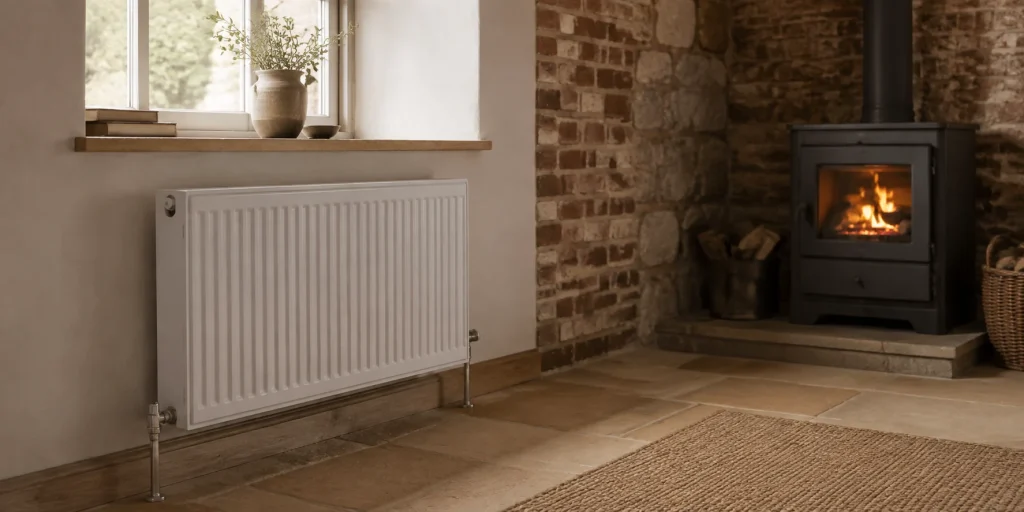

Oil boilers are often judged by whether they heat the house and hot water on demand. Yet a boiler can appear to be working while the burner is running outside its best range, and that is where reliability problems often begin.
Burner settings affect how cleanly the oil burns, how easily the boiler starts, how much soot builds up, and how hard key parts have to work. Understanding this helps explain why proper oil boiler servicing is about more than a quick visual check.
What burner settings actually control
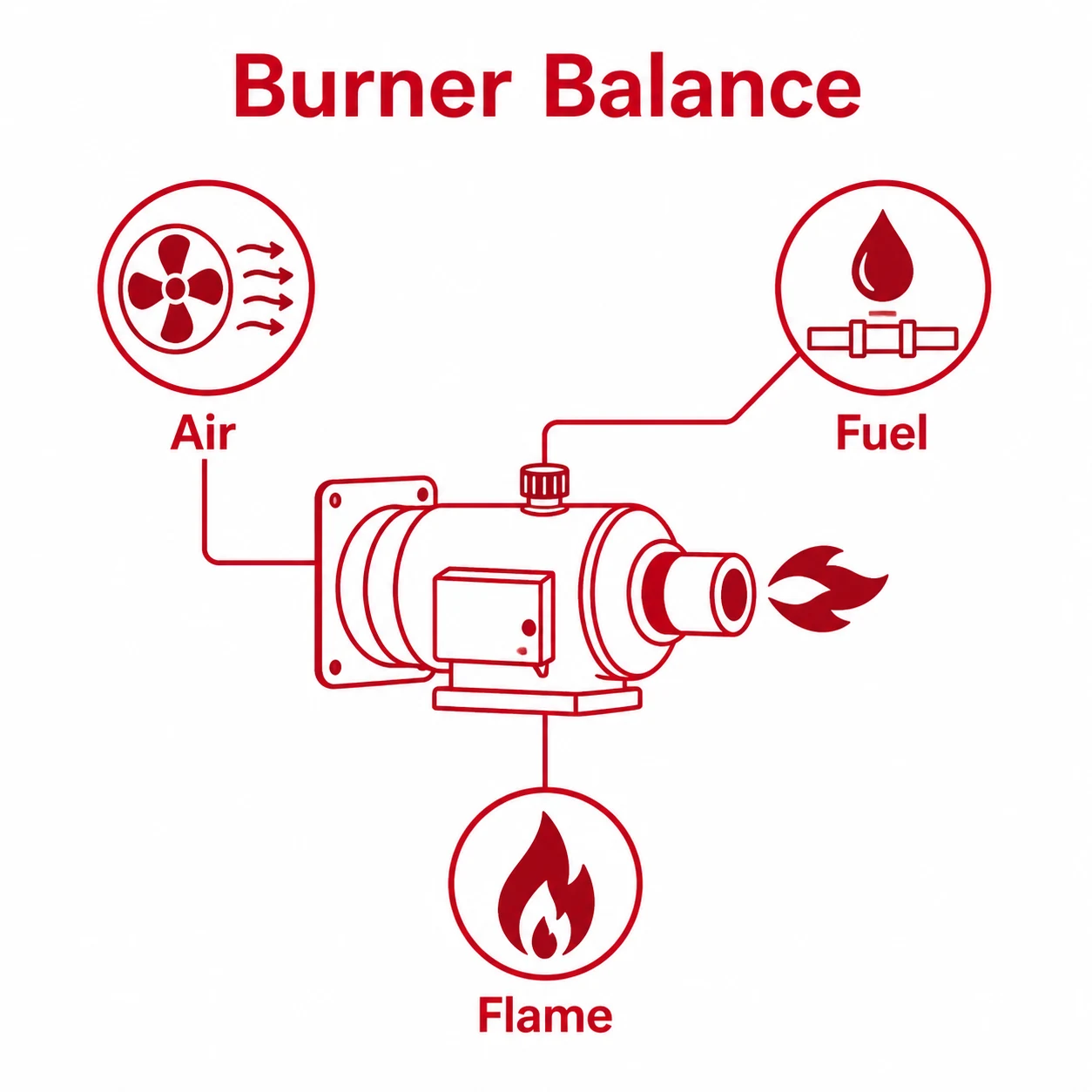
The burner is the part of an oil fired boiler that prepares the fuel and air, lights the mixture, and keeps the flame stable while the boiler is calling for heat. Several settings and components work together. These can include oil pump pressure, air adjustment, nozzle type, ignition position, combustion head setting and draught conditions through the flue.
None of these should be treated in isolation. A small change to air supply, for example, can alter the flame pattern and combustion readings. A nozzle with the wrong spray pattern can affect how fuel enters the combustion chamber. Incorrect pump pressure can mean the boiler receives too much or too little oil for the appliance design.
On a reliable boiler, the flame is stable, ignition is consistent, and combustion readings sit within the range expected for that model. On a poorly set burner, the boiler may still run, but it can become noisier, dirtier, harder to start and more prone to lockout. That is why burner setup is a technical servicing task, not guesswork.
Why small setting changes can cause big reliability problems
Oil boilers rely on a controlled burn. If there is not enough air, the flame can become smoky and produce soot. If there is too much air, the flame may be weaker and less stable. Either condition can make the appliance less dependable over time.
Soot is one of the main reasons burner settings matter. Even a thin layer of soot can interfere with heat transfer and airflow inside the appliance. As deposits build, the boiler may have to work harder to produce the same heat. It can also become more likely to suffer from poor combustion, nuisance lockouts or delayed ignition.
Burner settings can also affect starting reliability. If ignition electrodes are poorly positioned, if the oil spray is not correct, or if the air setting is not matched to the fuel delivery, the burner may struggle to light cleanly. The homeowner might notice repeated reset attempts, a smell of oil, rumbling on startup, or a boiler that fails at the least convenient time.
These symptoms should not be ignored. Multi Fuel Cooking has also covered practical warning signs in how to spot boiler issues early, which is useful reading if your boiler is behaving differently from normal.
The role of combustion testing during servicing
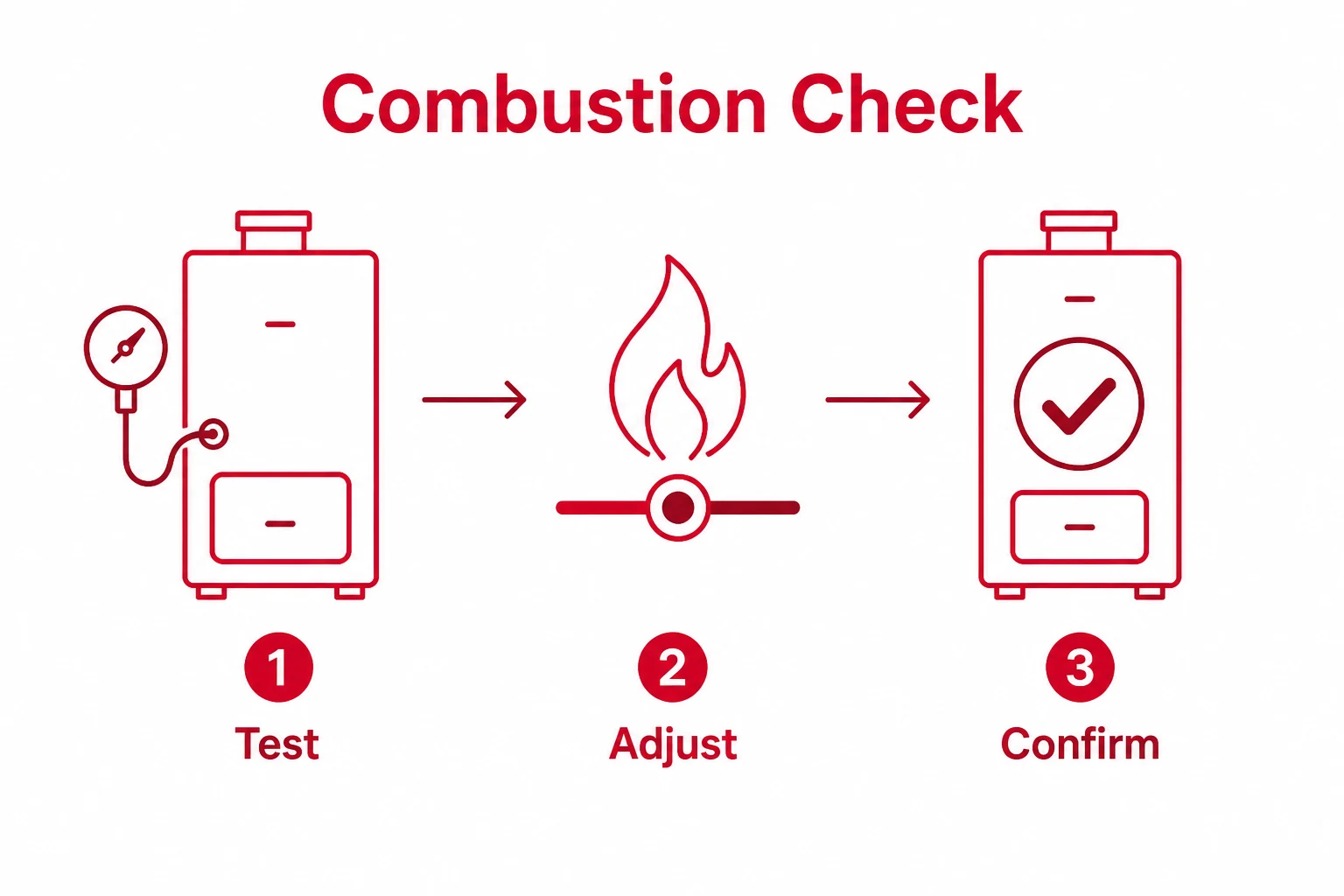
A proper oil boiler service should include checks that confirm how the burner is actually performing. Visual inspection matters, but the flame alone does not tell the full story. Engineers use combustion analysis to measure what is happening in the flue gases and to confirm whether the boiler is burning fuel correctly.
Typical checks may look at oxygen, carbon dioxide, carbon monoxide, flue temperature, smoke and efficiency related readings. The engineer will compare these with the appliance instructions and make adjustments where needed. The goal is not to chase a generic number, but to set the burner correctly for that boiler, fuel supply and flue arrangement.
This is also why burner settings should not be copied from another appliance or adjusted by trial and error. Two oil boilers can look similar but require different nozzles, pressures, air settings and combustion head positions. The correct setup comes from the manufacturer guidance, site conditions and measured results.
Where servicing is carried out carefully, the engineer can spot whether the burner is drifting away from a clean, stable burn. That may point to a blocked nozzle, restricted air path, contaminated fuel, a tired oil pump, poor draught or another developing issue. In that sense, combustion testing is both a setup tool and an early warning system.
Common causes of burner settings drifting out of range
Burner settings can be affected by wear, contamination and changes around the boiler. A nozzle may partially block or wear over time, changing the amount and pattern of oil entering the combustion chamber. Filters can restrict oil flow if they are dirty. Air in the oil line, fuel quality problems or water in the tank can also affect burner performance.
Air supply is another common factor. Dust, lint or debris around air intake areas can alter how the burner breathes. If the boiler is in a confined space, changes to ventilation can matter. Flue issues can also affect draught, especially if soot, corrosion, poor fitting components or other restrictions interfere with the path of combustion gases.
Electrical and ignition parts matter too. Electrodes, leads, photocells and control boxes all play a role in reliable startup and flame supervision. If a burner locks out, the underlying cause might be combustion related, electrical, fuel related or a combination of several small faults.
Leaks and pressure issues elsewhere in the heating system can sometimes be mistaken for burner problems. If you are seeing water loss, staining or regular pressure drops, the guide to common causes of leaky boilers explains a different set of faults worth considering.
Why correct burner setup supports longer boiler life
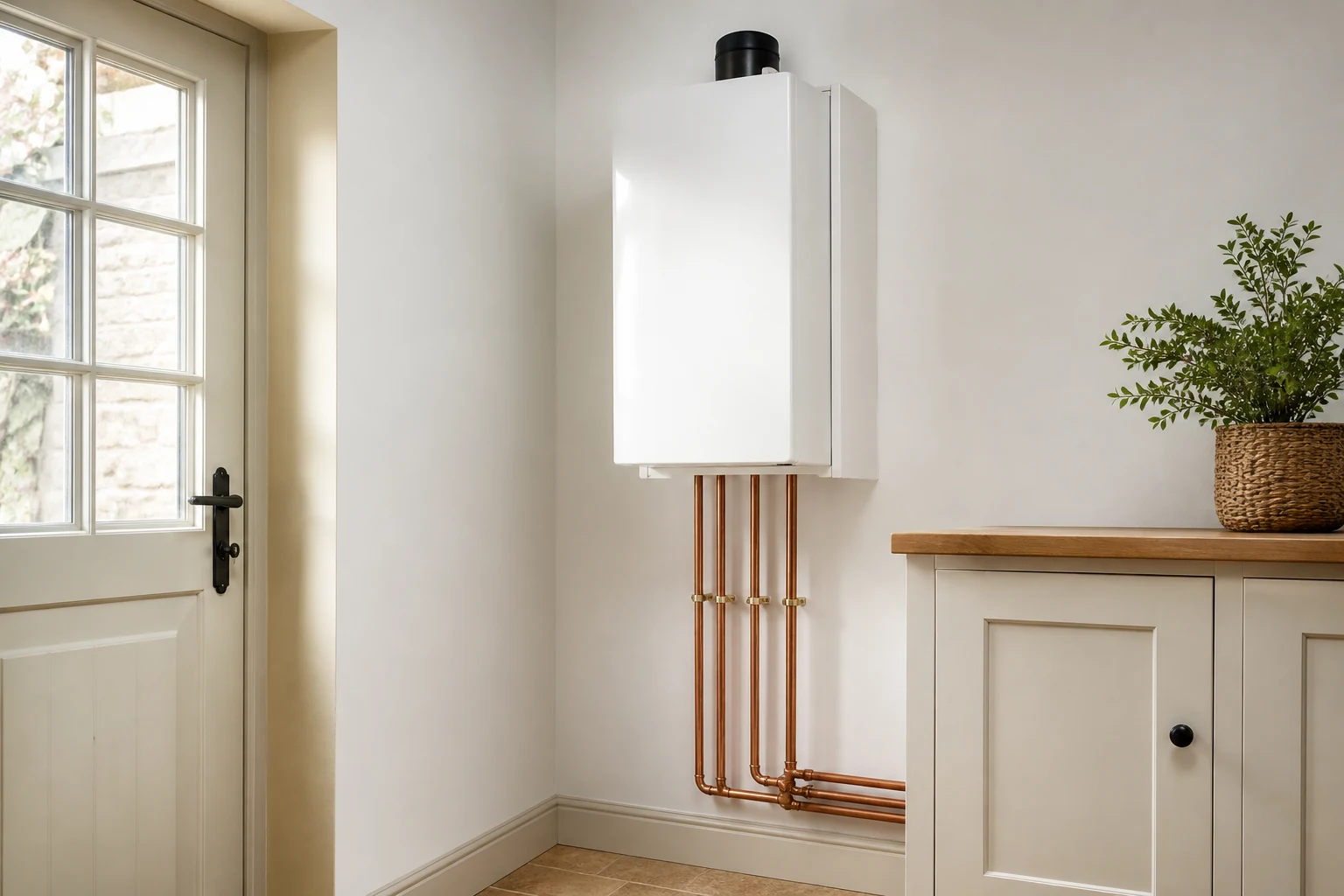
A correctly set burner helps the boiler run cleanly and predictably. That reduces soot, supports steadier ignition and helps protect components from avoidable strain. It also gives the engineer a clearer picture of the boiler condition, because the appliance can be assessed against known readings rather than rough impressions.
Good burner setup does not mean a boiler will never need repairs. Pumps, motors, bearings, seals, controls and heat exchangers can still wear. However, clean combustion gives the appliance a better working environment. It helps prevent servicing visits from becoming repeated fault finding visits caused by the same unresolved combustion problem.
It can also help with decisions about repair and replacement. If an older boiler is unreliable, the first question is often whether the fault is due to setup, maintenance, a specific failed part or wider age related deterioration. If the boiler is reaching the point where replacement is being considered, Multi Fuel Cooking has a separate guide on when to replace rather than repair an oil boiler.
For many boilers, careful servicing and correct burner adjustment can restore dependable operation. The key is to treat burner settings as part of a measured process, supported by inspection, cleaning, replacement service parts where needed and final combustion checks.
What homeowners should and should not do
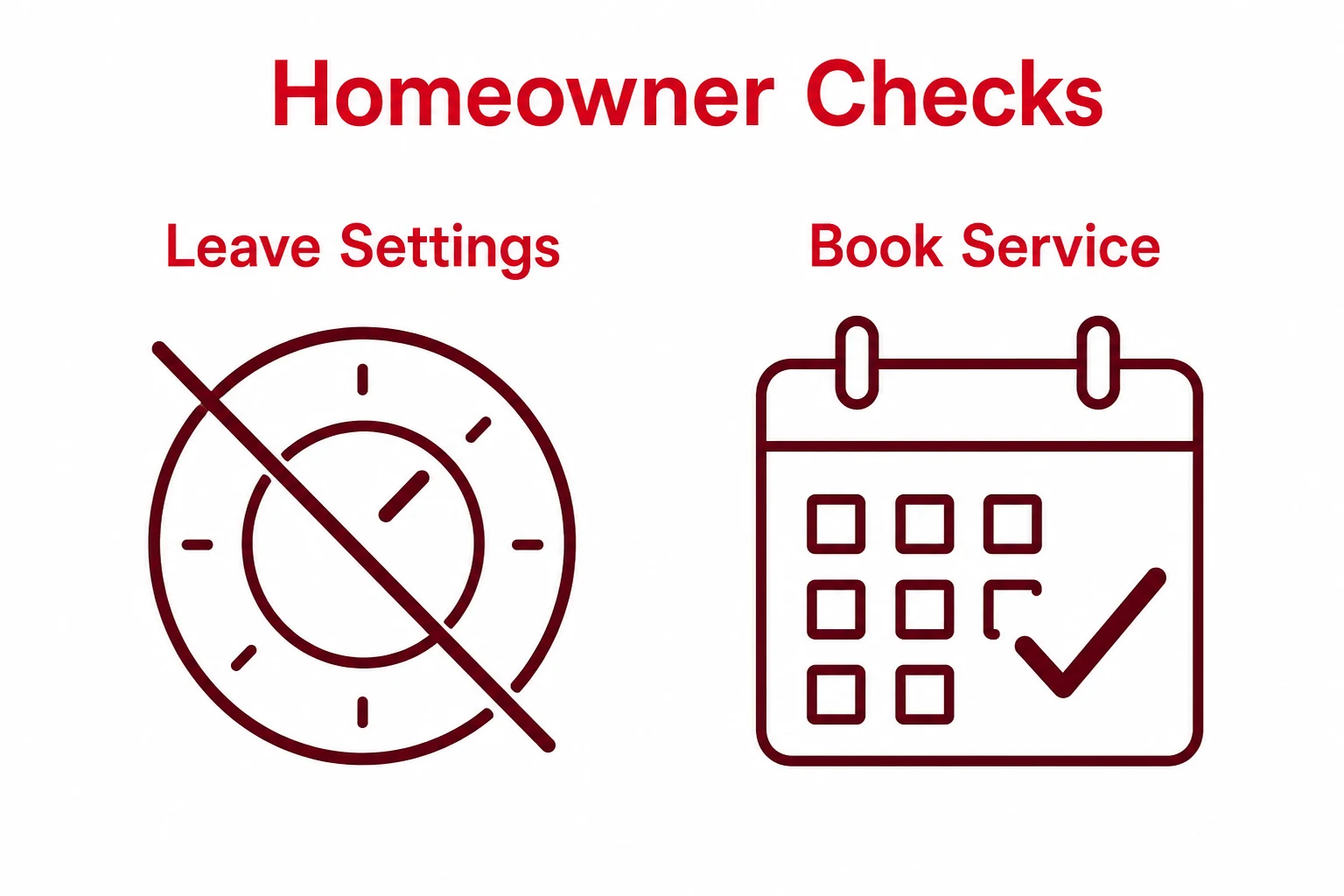
Homeowners can help reliability by paying attention to how the boiler behaves between services. Note any unusual noises, smells, repeated lockouts, smoke, soot marks, slow heating, irregular hot water or changes in fuel use. These details can help an engineer narrow down the cause more quickly.
It is also sensible to keep the area around the boiler clear, avoid blocking ventilation, arrange regular servicing and respond promptly when the appliance starts behaving differently. Do not keep pressing the reset button repeatedly if the burner locks out. A single reset may be reasonable in some circumstances, but repeated lockouts suggest a fault that needs proper diagnosis.
Burner adjustments should be left to a competent engineer with the right test equipment. Turning an air shutter or altering pressure without combustion testing can make the boiler less reliable and potentially unsafe. Even if the burner fires afterwards, it may not be burning cleanly.
The practical aim is simple. Let the boiler run with the right fuel delivery, the right air supply, reliable ignition and clear flue performance. That is what gives an oil fired boiler the best chance of steady service through everyday use.
- Burner settings control the balance of oil, air, ignition and flame stability inside an oil fired boiler.
- Poor setup can lead to soot, noisy running, delayed ignition, lockouts and avoidable strain on parts.
- Combustion testing is essential because visual checks alone cannot confirm that the boiler is burning correctly.
- Settings should be matched to the appliance instructions, site conditions and measured flue gas results.
- Repeated lockouts, smoke, smells or unusual noises are signs that the boiler needs professional attention.
Frequently asked questions
Can incorrect burner settings make an oil boiler lock out?
Yes. If the burner is not receiving the right balance of oil and air, or if ignition is weak, the flame may fail to establish or stay stable. The boiler control can then shut the burner down and require a reset.
Is soot always caused by bad burner settings?
Not always. Soot can be linked to poor air supply, nozzle problems, flue issues, fuel contamination or lack of cleaning. Burner settings are an important part of the diagnosis, but the whole appliance should be checked.
Should burner settings be adjusted during every service?
They should be checked during servicing and adjusted if readings or inspection show they are outside the correct range. A good service confirms performance with suitable test equipment rather than adjusting blindly.
Can I adjust my oil boiler burner myself?
No. Burner adjustment needs technical knowledge, manufacturer data and combustion testing equipment. Incorrect changes can reduce reliability and may create safety risks.
Need your oil boiler checked properly?
If your oil boiler is locking out, running noisily or due for a service, Multi Fuel Cooking can inspect, clean, test and set it up with care.